

Teen years can be a rollercoaster, filled with awkward moments and newfound independence. Amidst the chaos of homework and social life, oral health often gets pushed to the backseat. But let’s face it—nobody wants to be the one with bad breath at the big dance or the one hiding their smile in selfies.
teen oral health tips
Teenagers often face various challenges that affect their oral health. Prioritizing dental care during this stage boosts confidence and enhances overall well-being.
Importance of Oral Health in Teens
Oral health plays a crucial role in the lives of teenagers. Clean teeth and fresh breath contribute to better social interactions and self-esteem. Regular dental check-ups help identify and prevent issues early. Proper oral hygiene prevents cavities and gum disease, which can lead to discomfort and additional health concerns. Tracking habits like brushing twice daily and flossing can develop lifelong healthy routines. Encouraging good practices while teens balance school and social activities ensures they maintain optimal oral health.
Common Oral Health Issues in Teenagers
Teenagers often experience specific oral health issues that need attention. Cavities frequently emerge due to higher sugar intake from snacks and beverages. Gum disease can occur if proper brushing and flossing are neglected. Orthodontic problems are common as many teens undergo braces treatment or retainers. Additionally, wisdom teeth can create complications during this stage of development. Bad breath, particularly linked to diet and oral hygiene, may impact social interactions. Understanding these issues equips teenagers to address their oral health proactively.
Essential Daily Habits
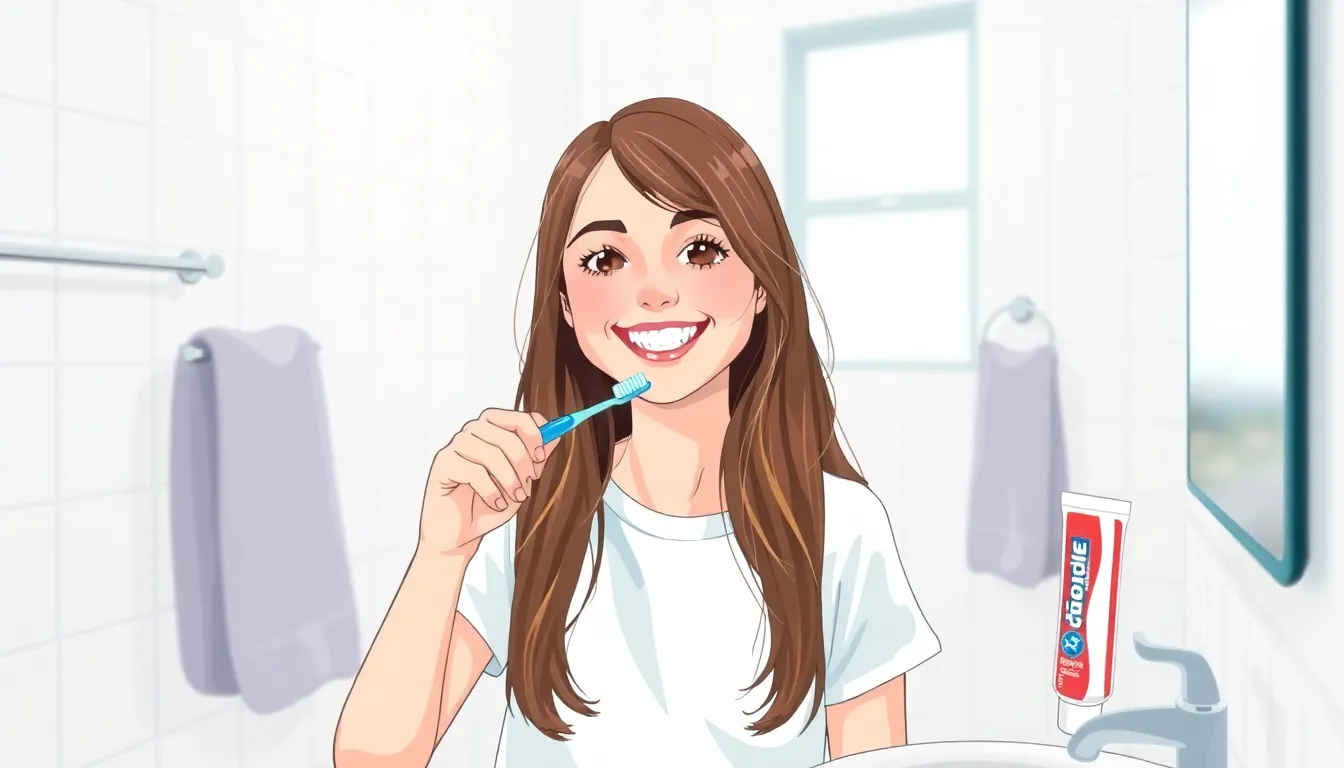
Maintaining oral health is crucial for teenagers. Adopting essential daily habits can significantly improve dental hygiene.
Brushing Techniques
Effective brushing techniques play a vital role in oral health. Choose a soft-bristled toothbrush to minimize gum irritation. Use fluoride toothpaste to strengthen enamel. Teenagers should brush for at least two minutes, focusing on all surfaces of each tooth. Angle the brush at 45 degrees towards the gums to remove plaque effectively. Replace the toothbrush every three to four months or sooner if bristles fray. Parents can encourage teens to set a timer or use an electric toothbrush for better results.
Flossing Importance
Flossing is essential for preventing cavities and gum disease. It removes food particles and plaque between teeth that a toothbrush might miss. Teens should floss at least once a day for optimal results. Using the right technique is key; gently slide the floss between teeth without snapping it against the gums. Waxed floss can be easier to handle and slide into tight spaces. Parents can assist in establishing this habit, as consistent flossing leads to healthier gums and fresher breath.
Dietary Considerations
Diet plays a significant role in maintaining oral health during teenage years. Making informed food choices can enhance dental hygiene and overall wellbeing.
Foods That Promote Oral Health
Dairy products like yogurt and cheese provide calcium, essential for strong teeth and bones. Crunchy fruits and vegetables, such as apples and carrots, help clean teeth naturally while increasing saliva production. Leafy greens, including spinach and kale, are packed with vitamins and minerals that promote healthy gums. Nuts, particularly almonds, are rich in nutrients that support oral health. Additionally, whole grains contain fiber that helps reduce plaque buildup, ensuring better dental hygiene.
Foods to Avoid for Healthy Teeth
Sugary snacks, including candy and cookies, significantly contribute to tooth decay. Soft drinks, especially those high in sugar and acids, can erode tooth enamel over time. Starchy foods, like chips and bread, can stick to teeth, providing a breeding ground for bacteria. Acidic fruits, such as citrus, while healthy in moderation, can wear down enamel with excessive consumption. Finally, excessive intake of processed snacks can lead to gum disease, making moderation essential for maintaining oral health.
Regular Dental Visits
Regular dental visits form a vital part of maintaining oral health during teenage years. These appointments promote early detection and prevention of dental issues, fostering better overall well-being.
Frequency of Check-Ups
Check-ups should occur every six months for teenagers. This schedule helps identify potential problems before they escalate. Regular visits ensure that dentists can monitor oral health consistently, providing timely interventions when necessary. During these appointments, professionals check for cavities, gum disease, and other concerns. Consistent visits also reinforce positive oral hygiene practices, helping teens develop lifelong habits.
What to Expect During a Visit
During a dental visit, teenagers can expect a complete examination of their teeth and gums. The dentist measures gum health and checks for cavities. X-rays may be taken to identify hidden issues. Cleanings usually follow the examination, where hygiene professionals remove plaque and tartar buildup. Educational discussions about proper dental care occur, focusing on personalized tips for maintaining oral health. Teens can also ask questions, ensuring they understand how to care for their teeth effectively.
Addressing Common Concerns
Teenagers often face specific oral health concerns, which require attention and care to ensure optimal dental health.
Managing Tooth Sensitivity
Tooth sensitivity affects many teenagers, particularly after consuming hot, cold, or sweet foods. Sensitivity can arise from enamel erosion, gum recession, or cavities. Using toothpaste specifically designed for sensitive teeth provides relief, as these products contain ingredients that help block pain signals to the nerves. A soft-bristled toothbrush assists in reducing irritation during brushing. Consulting a dentist for a professional evaluation becomes crucial if sensitivity persists. They may recommend fluoride treatments or dental sealants to strengthen enamel and alleviate discomfort.
Handling Orthodontic Appliances
Braces and retainers pose unique challenges for teens. Orthodontic appliances require diligent cleaning to prevent decay and gum issues. Teens should brush after every meal, using a toothbrush designed for braces. Flossing also remains essential, and special floss threaders can make the process easier. Food choices matter; avoiding sticky or hard snacks can protect both the appliances and teeth. Regular check-ups with the orthodontist help ensure treatments progress smoothly. These visits provide opportunities for adjustments and prompt attention to any problems that may arise.
Conclusion
Maintaining oral health during the teenage years is vital for building confidence and ensuring overall well-being. By adopting effective daily habits like proper brushing and flossing along with a balanced diet, teens can significantly improve their dental health. Regular dental visits play a crucial role in early detection and prevention of potential issues, helping to avoid discomfort and future complications.
With the right knowledge and support from parents, teenagers can navigate their busy lives while prioritizing their smiles. Emphasizing oral hygiene not only enhances their appearance but also fosters positive social interactions and boosts self-esteem. Investing in oral health today sets the foundation for a healthier future.